Bed Bug Exterminator for Effective Home and Business Solutions
Bed Bug Exterminator for Effective Home and Business Solutions
Blog Article
Efficient Bed Bug Treatment Methods for a Pest-Resistant Home
Bed bugs impose a significant visit now challenge for property owners desiring a pest-free environment. Recognizing their behavior and productive methods is paramount. A combination of DIY plans and skilled pest control can yield the best performance. This review will assess important implements, validated at-home treatments, and qualified selections. Likewise, preventive measures can help guarantee that these unwanted guests do not return. The journey to a bed bug-free home calls for attentive examination and intentional efforts.

Learning About Bed Bugs: Identification and Behavior
Bed bugs, small pest creatures part of the Cimex lectularius species, are notorious for their knack to disturb slumber and cause discomfort. Recognizable by their flat, oval bodies and reddish-brown coloration, adult bed bugs measure about a quarter of an inch in length. Their compact bodies allow them to hide easily in crevices and seams of furniture, bedding, and walls.
Bed bugs are chiefly active at night, consuming the blood of their hosts during the night. They are lured by carbon dioxide and body heat, making humans suitable hosts. Reproduction occurs at a rapid pace; a single female can lay many of eggs in her lifetime. Knowing the behavior and habits of bed bugs is necessary for proper control, as they can quickly infest homes and remain sleeping for long durations. Their resilience to environmental changes underscores the importance of early detection and intervention.
Important Tools for Efficient DIY Bed Bug Removal
An effective DIY bed bug treatment requires a strategic approach, and obtaining the proper tools is crucial for achieving results. Key tools include a premium vacuum cleaner with a HEPA filter, which efficiently captures bed bugs and their eggs from multiple surfaces. Steamers are also vital; the high temperatures eliminate bed bugs on contact, rendering them ideal for treating mattresses and upholstery.
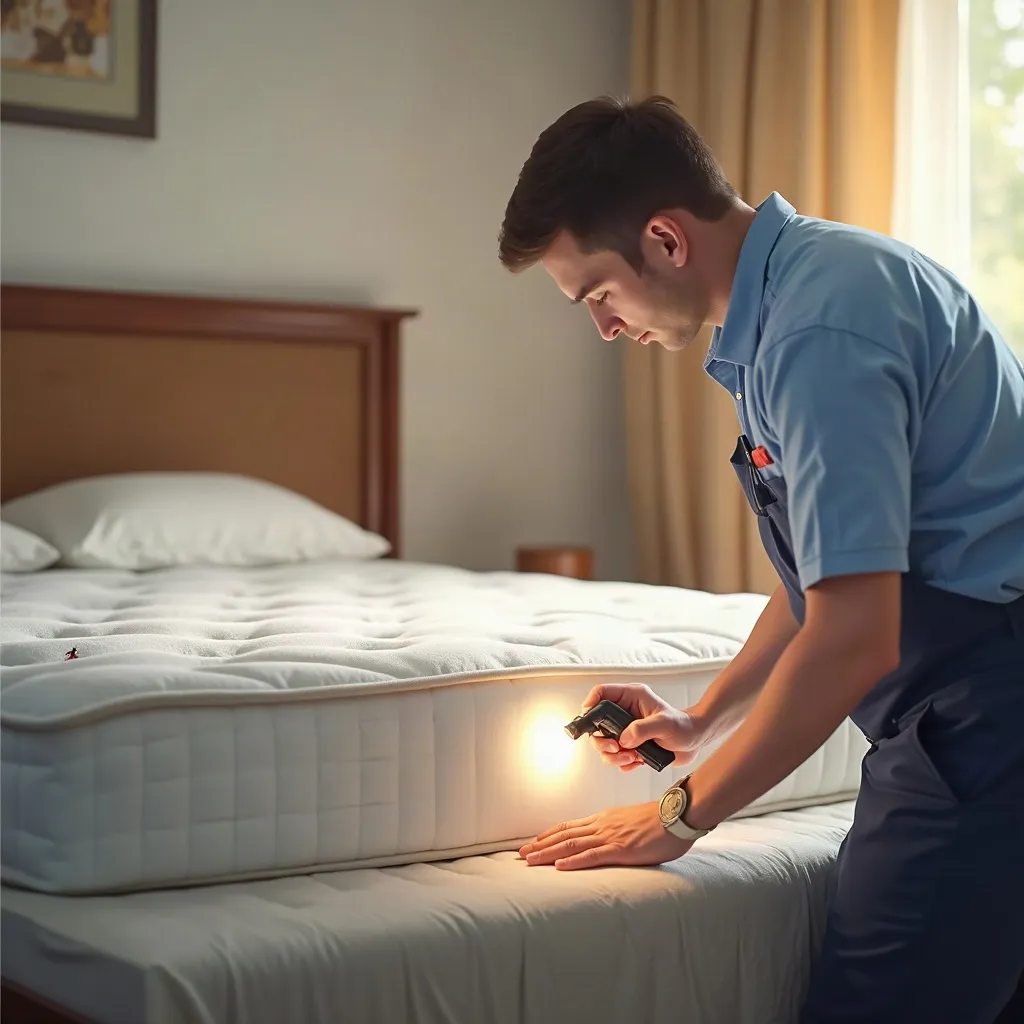
Bed bug interceptors can be placed under leg furniture to monitor and trap any pests attempting to climb. Additionally, covers for box springs and mattresses help prevent pest invasions and safeguard from future invasions. A good light source is essential for thorough inspections in dark areas, while rubbing alcohol can function as a temporary spot treatment.
Finally, a sturdy brush aids in dislodging bugs from crevices. Together, these tools form a thorough arsenal for tackling bed bug infestations effectively.
Proven Home Remedies for Bed Bug Removal
Property owners looking for relief from bed bug infestations often rely on established solutions that can be found in their own kitchens or local stores. One effective approach includes using essential oils, particularly tea tree and lavender oil, recognized for their insect-repellent properties. Mixing these oils with water and distributing them on affected areas may help in deterring bed bugs. Another popular remedy is diatomaceous earth, a natural powder that removes moisture from the bugs upon contact, successfully eliminating them over time.
Freezing articles that cannot be washed, like shoes or stuffed animals, for several days can also eradicate bed bugs. In addition, a comprehensive vacuuming of infested areas followed by steam cleaning can disrupt their habitats. While these home remedies may not guarantee full eradication, they can serve as valuable adjuncts to an extensive pest control strategy. Homeowners should keep watchful and monitor for any signs of resurgence.
How to Select Professional Bed Bug Elimination
What is the finest way to identify the best professional pest elimination company? To create an informed choice, people must begin by investigating nearby companies with a solid reputation. Testimonials and testimonials from past clients provide perspective into the success and trustworthiness of services offered. It is vital to confirm that the exterminators are certified and insured, ensuring they conform to industry standards.
Next, inquire about the methods applied in extermination. Reputable businesses typically present a selection of approaches, including chemical solutions and heat-based methods. Asking about their follow-up procedures can also reveal their commitment to lasting results. Collecting multiple quotes permits assessment, but the lowest price should not be the primary basis. Finally, a reputable pest elimination company will provide a clear explanation of the process and answer any inquiries, fostering trust and confidence in their proficiency.
Maintaining Your Home Free from Future Bed Bug Infestations
After acquiring professional bed bug extermination services, consideration must be given to avoiding subsequent pest problems. Putting proactive measures in place is crucial for maintaining an environment without bed bugs. First, routine inspections of bedrooms and adjacent furnishings can aid in identifying any initial indicators of bed bugs. Using protective covers for mattresses and box springs establishes a protective shield that stops bed bugs from concealing themselves and reproducing.
In addition, it is vital to be cautious when journeying. Inspecting hotel rooms and holding luggage elevated can reduce the risk of bringing bed bugs home. Organizing living spaces also minimizes potential hiding spots, making it easier to spot any infestations early.
Furthermore, educating all household members about bed bug signs and prevention strategies fosters a collective responsibility. By implementing these approaches, homeowners can significantly reduce the likelihood of a bed bug infestation in the future, thereby guaranteeing a comfortable, pest-free home environment.
Consistent Habits for Maintaining Your Home Free of Bed Bugs
Maintaining a pest-free home entails consistent daily habits that decrease the risk of infestations. Regularly inspecting bedrooms is essential; searching for signs such as molted skins or discolorations on bedding helps detect problems early. Washing bedding and linens on a weekly basis in hot water is another useful method, since high temperatures kill any potential eggs or bugs.
Vacuuming on a consistent basis, particularly in locations where pets sleep and along baseboards, can eliminate hidden bed bugs and their eggs. Limiting clutter accumulation also aids in prevention, as it provides fewer hiding spots.
When on travel, guests should inspect hotel rooms and keep luggage elevated on racks rather than on beds or floors. Additionally, sealing cracks and crevices in walls or furniture can greatly decrease the chances of bed bug entry. Adopting these daily practices fosters a proactive approach to maintaining a pest-free environment.
Often Posed Questions
How Long Will Bed Bugs Survive Without a Host?
Bed bugs survive without a host for extended months, usually two to six months in duration. Their resilience helps them withstand in surroundings with no food, waiting for a compatible host to appear.
Do Bed Bugs transmit Diseases to Humans?
Bed bugs fail to spread sicknesses to humans, according to health experts. Their bites can cause pain and hypersensitive responses, but they are not documented carriers of harmful microorganisms that cause illness or major diseases.
Might Pets Carry Bed Bugs Into Your Home?
Pets may inadvertently carry bed bugs into your home by collecting them from infested areas. While bed bugs do not commonly infest pets, they can catch a ride on fur or belongings.
Is It Secure to Apply Insecticides Near Children?
Pesticides used near children may present safety risks. It's necessary to respect label specifications, guarantee proper ventilation, and prevent children from being present during use. Reaching out to a pest control technician can suggest safer alternatives and support for family environments.
What indicators indicate that my bed bug treatment was effective?
To evaluate if bed bug treatment was effective, one should keep track of for symptoms such as welts, shed skins, or live insects for a few weeks. Ongoing inspections and follow-up treatments may be essential for complete removal.
Report this page